

How do you fit out a spa resort with furniture that elevates the wellbeing experience? Softenza Consulting, a specialist in hospitality contract, guides you in choosing the right furniture for your relaxation and wellness areas.
Why furniture matters in the spa experience
A spa resort, or a hotel with a wellness area, sells above all a promise of relaxation, escape and renewal. That promise is built on the treatments on offer, of course, but also, and decisively, on the setting in which they take place.
Spa furniture is not just a functional necessity. It is a vehicle for emotion and sensory experience that prepares body and mind for relaxation from the moment guests enter. An uncomfortable lounger, poorly designed spaces or mismatched furniture can break the spell before the first treatment has even begun.
At Softenza Consulting, we support resort and spa hotel projects in designing and delivering wellness areas that live up to their ambitions.
The wellness areas to fit out in a spa resort
The spa entrance and reception
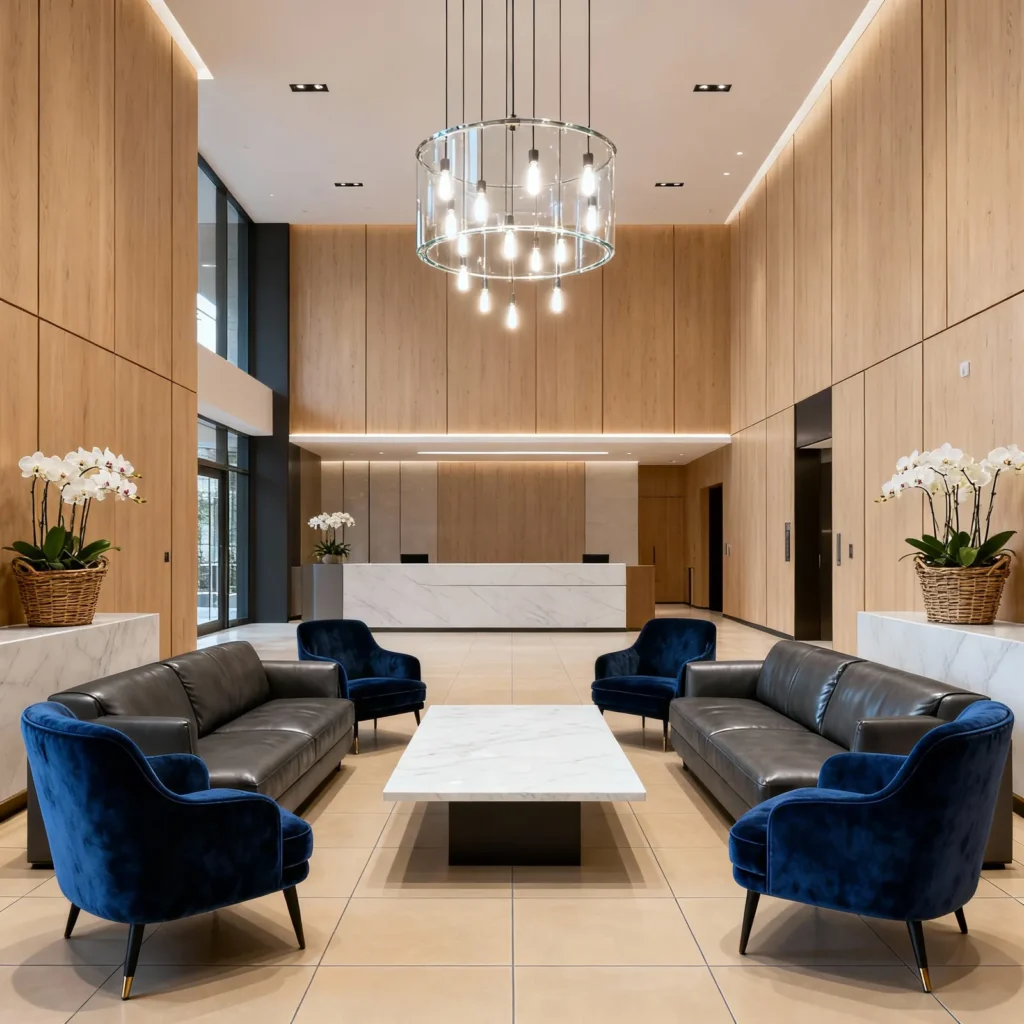
Entering the spa marks the start of the transition from the outside world into a bubble of wellbeing. The reception should be calm and soothing, acting as a decompression zone.
Furniture and decorative elements for the spa reception:
- A simple reception desk with clean lines, in natural materials (light wood, bamboo, stone)
- Comfortable seating for waiting (low armchairs, soft banquettes)
- Soft, indirect lighting, with no harsh light sources
- A carefully considered scent (discreet built-in diffusers)
- No television or distracting screens
Rest and relaxation areas
Rest areas are the heart of the spa experience. These are the spaces where guests prolong the benefits of their treatments and linger in the establishment.
Essential furniture:
- Loungers and deckchairs: the key choice. They must combine exceptional comfort, durability and ease of cleaning. For an indoor spa, upholstered loungers in technical fabric are preferable; for outdoor or poolside areas, models in woven resin or treated teak.
- Relaxation cocoons and pods: enveloping seats that offer a degree of privacy while remaining within the shared space
- Coffee tables: for drinks and towels, in natural materials that resist humidity
- Private rest cabins: a curtain or light partition, a comfortable mattress, a cushion and a soft throw
Changing rooms and preparation areas
Often overlooked, changing rooms nonetheless make a significant contribution to the overall experience. A well-designed changing room with suitable furniture puts guests in the mood to relax as soon as they arrive.
Spa changing room furniture and equipment:
- Lockers in natural or lacquered materials (bamboo, oak, matt laminate)
- Comfortable changing benches with built-in towel rails
- Full-length mirrors with suitable lighting
- Generously sized hooks and coat stands
- Shower room with glass screens or natural tiles
Treatment rooms
Treatment rooms are intimate, functional spaces where the furniture must combine professional ergonomics with a cosy atmosphere.
Specific equipment:
- Height-adjustable massage table (electric for high-end establishments)
- Ergonomic therapist stool
- Client chair or armchair for facial treatments
- Discreet, functional storage for treatment supplies
- Separate task lighting and ambient lighting
Pool, jacuzzi and wet areas
The areas around pools and wet zones require furniture specifically treated to resist water, heat and chemicals.
Recommended materials for wet areas:
- Oiled teak or synthetic teak (terraces, pool decks)
- Premium woven resin (loungers, armchairs)
- Powder-coated aluminium (frames and tables)
- 316L stainless steel (metal parts in contact with chlorinated water)
Design trends for spa resorts in 2025–2026
Wabi-sabi and embracing imperfection
Inspired by Japanese aesthetics, this trend celebrates imperfect natural materials and the passage of time: driftwood, irregular ceramics, raw stone. It creates a deeply soothing and authentic atmosphere.
The Scandinavian spa: minimalism and a connection with nature
Scandinavian spa design relies on:
- A palette of natural colours (white, beige, warm grey, wood tones)
- Clean lines and simple shapes
- Light natural wood throughout
- Soft, enveloping textiles (merino wool, linen, cotton)
The tropical spa resort
For tropical-themed establishments or resorts with an outdoor pool:
- Natural tropical materials (bamboo, rattan, wicker)
- A vivid, botanical colour palette
- Furniture that opens onto the outdoors and blends with the surrounding nature
- Technical fabrics resistant to UV and humidity
Standards and technical constraints for spa furniture
Resistance to humidity
Spa areas are often exposed to high humidity (steam from hammams, splashes, condensation). Furniture must be chosen to withstand these conditions without warping, delaminating or rusting.
Hygiene and ease of disinfection
Health requirements call for rigorous cleaning protocols. Spa furniture must be able to be disinfected daily with professional products without deteriorating.
Recommended finishes:
- Chemical-resistant polyurethane varnish
- Antimicrobial technical fabrics
- Smooth surfaces with no gaps where bacteria can multiply
Heat resistance
In the areas around saunas and hammams, furniture must withstand high temperatures without warping or releasing toxic volatile compounds.
Fit-out budget for a spa area
The fit-out budget for a spa area varies with the size and positioning of the establishment:
- Hotel resort spa (200 to 500 m²): €150,000 to €500,000 for furniture and equipment
- Independent day spa (100 to 200 m²): €50,000 to €150,000
- Compact hotel wellness area (50 to 100 m²): €20,000 to €80,000
These budgets cover furniture, treatment equipment, cabins, lighting and decoration, excluding structural and interior finishing works.
Softenza Consulting: accelerating manufacturers in the spa and wellness contract market
Softenza Consulting supports manufacturers and suppliers of wellness furniture and equipment who want to grow their presence in the contract market for resorts and spa hotels.
Our role: to build strategic bridges between manufacturers and the sector’s specifiers (architects specialising in wellness, interior designers, hotel groups and spa operators) to maximise our partners’ business opportunities.
We work on business development strategy, range positioning, identifying and approaching the right contacts and building lasting partnerships in the demanding world of hotel wellness.
Our approach: sector expertise, a qualified network and hands-on support to turn your know-how into commercial success in this high-potential market.
Conclusion
An exceptional spa resort is not built on quality treatments alone: it is created through a coherent, carefully crafted sensory environment, where every piece of furniture contributes to the experience of relaxation and wellbeing.
Investing in quality spa furniture means investing in your guests’ satisfaction, in their loyalty and in your reputation in the world of wellness.
Your resort or spa project deserves expert support. Contact Softenza Consulting to discuss it.
Do you manufacture furniture, lighting or equipment for the hospitality sector? Find out how we support manufacturers in the hotel and restaurant market.